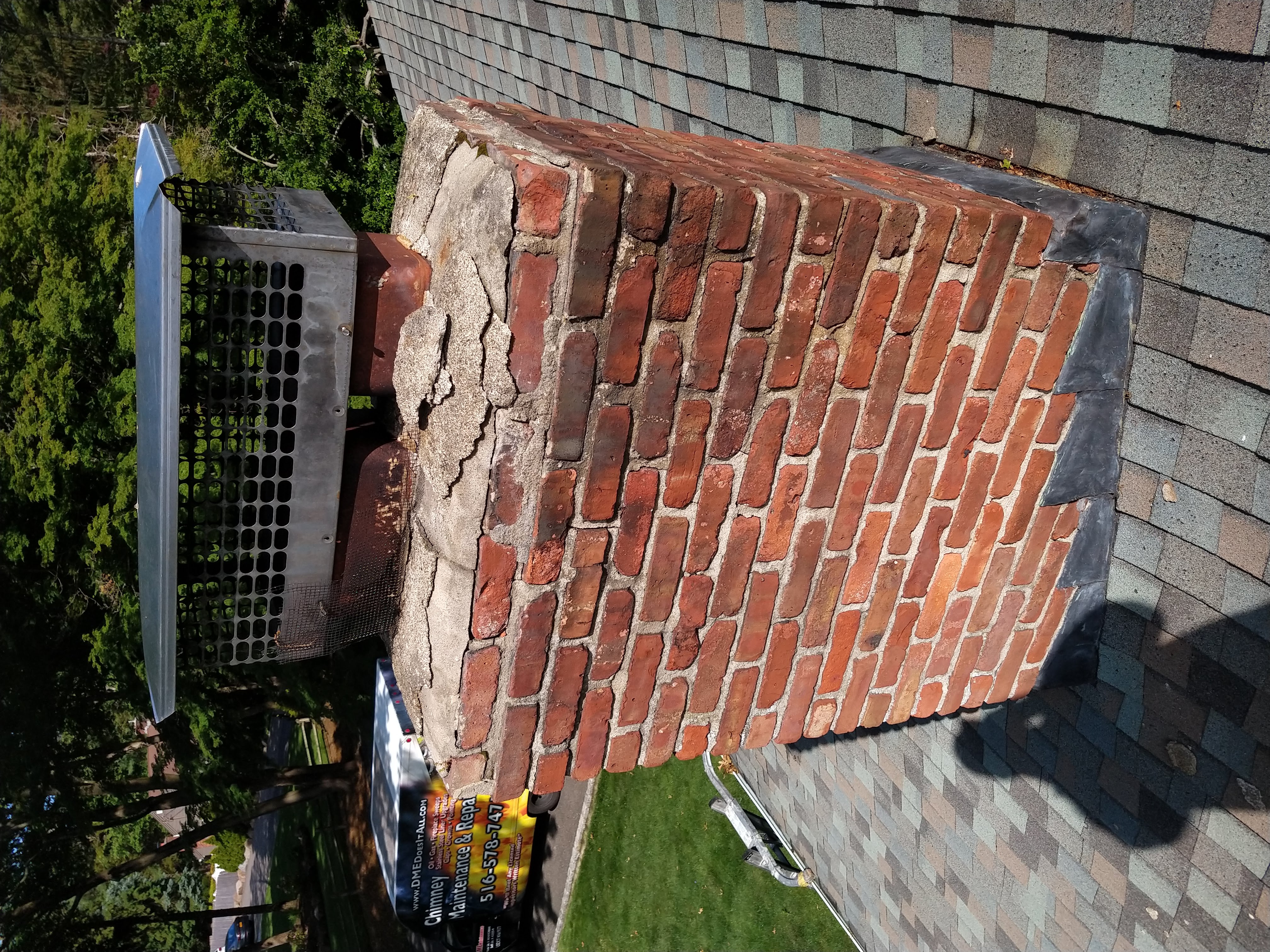
The chimneys that rise from homes throughout Southampton tell a story written in brick and mortar—and more often than not, that story includes deterioration. Southampton's housing stock, much of it built between the 1950s and 1980s, relies heavily on these vertical structures to exhale smoke and gases from oil heating systems that have warmed generations of families through the cold seasons. The mortar binding your chimney's bricks together isn't just decorative filler; it's a critical seal against the elements. Over time, the relentless freeze-thaw cycles that occur each winter—where temperatures swing above and below freezing repeatedly—cause mortar to crack, crumble, and fail. Water seeps into these microscopic gaps, freezes, expands, and pushes outward with tremendous force. By spring, another layer of damage has occurred.
This is where chimney pointing and tuckpointing become important. These time-tested techniques involve carefully removing the failed mortar from between brick joints and replacing it with new mortar that matches the original in composition and appearance. At DME Maintenance, we've spent over 2001 perfecting this craft for Southampton homeowners who understand that proactive chimney care prevents catastrophic structural failure, and the water damage that inevitably follows.
What makes Southampton particularly challenging for chimney longevity is its geographic position and exposure to moisture. Located on the South Fork of Long Island, Southampton experiences moisture from both the Atlantic Ocean to the south and Peconic Bay to the north, creating an environment where water and humidity accelerate mortar degradation faster than in inland communities like Ridge or Middle Island. The proximity to water means that when spring rains arrive—and they arrive with regularity—moisture-laden wind penetrates and corrodes mortar joints. Southampton residents living near neighborhoods like Westhampton Beach or even closer to the waterfront in areas like Quogue are particularly vulnerable to accelerated mortar failure because of this exposure to wind-driven rain and repeated wetting cycles.
The same ocean breezes that make Southampton a desirable place to live also make chimney maintenance required. We've inspected hundreds of chimneys in Southampton where the Atlantic-facing side of the chimney shows noticeably more deterioration than the protected side, a pattern that repeats year after year. The salt-laden air doesn't just attack the mortar; it can also corrode the metal flashing where your chimney meets the roofline, creating a double problem that demands professional attention before water finds its way into your attic and walls.
The freeze-thaw cycle is perhaps the most destructive force Southampton homeowners face for chimney integrity, and understanding how it works helps explain why spring and summer represent the optimal window for pointing and tuckpointing work. During a typical Long Island winter, temperatures in Southampton might climb above freezing during a mild day, allowing moisture in your mortar joints to thaw. When the temperature plummets again that night—which it reliably does through February and into early March—that water refreezes. Expansion from freezing creates outward pressure on the mortar, widening existing cracks and creating new ones. Repeat this cycle forty or fifty times over the course of a winter, and you've basically fractured the structural integrity of your chimney's joints from the inside out.
By the time April arrives and Southampton homeowners emerge from their homes, the damage has compounded dramatically. This is exactly why pointing work must be done during spring and early summer months when mortar can cure properly. Mortar cures through a chemical process that requires consistent warmth and moderate moisture, conditions that simply don't exist in winter. Attempting to repoint a chimney in November means watching your newly applied mortar fail before the first hard freeze arrives. We schedule our Southampton chimney pointing projects strategically, beginning in late April and running through August, because proper timing is just as important as proper technique. A perfectly executed pointing job in November is basically wasted effort; the same work performed in May will last decades.
Water infiltration represents the hidden consequence of deteriorated mortar, and it's the damage you don't see that costs Southampton homeowners the most money. When mortar joints fail, water doesn't just drip down the outside of your chimney—it penetrates through, following gravity and capillary action into your chimney structure, your flashing, and eventually into your home's interior. Southampton residents have discovered water stains in their attics months or even years after the actual water intrusion began, meaning the damage had been quietly spreading behind walls and within cavities long before becoming visible. This water then freezes during winter, expands, and causes additional cracking and structural movement. Over time, it can compromise the integrity of the masonry itself, not just the mortar.
It can rot wooden roof framing, destroy insulation, encourage mold growth, and create conditions for ice dams that cause even more water backup during spring thaw. The financial and health implications are significant. A chimney pointing project performed proactively costs far less than remediation work after water damage has spread throughout your home. For homes in Southampton that were built in the 1960s or 1970s—which represents a substantial portion of Southampton's residential real estate, the original mortar has likely reached the end of its serviceable life regardless of the current condition. We've examined countless chimneys throughout Southampton where the mortar still looks acceptable from ground level but is actively failing at the joints, a situation that demands professional evaluation and typically results in recommended pointing work.
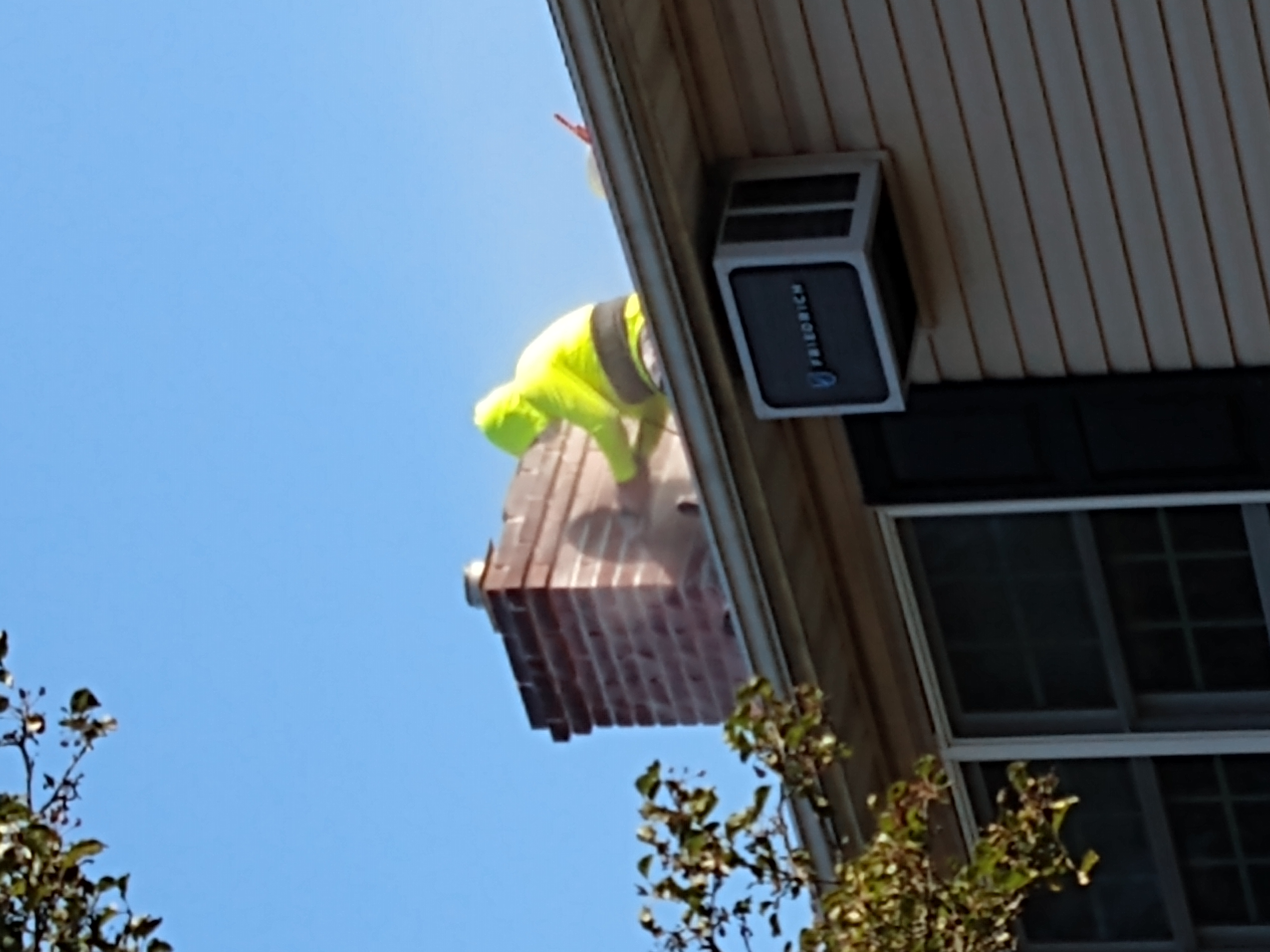
The process of chimney pointing that we perform for Southampton homeowners involves several deliberate steps, each critical to achieving results that last. After a thorough inspection to assess the extent of mortar deterioration, we carefully remove the failed mortar using specialized tools, working from the outside of each joint to a depth of approximately two to three inches. This removal process demands skill because aggressive removal can damage the surrounding brick; insufficient removal means new mortar simply covers old problems instead of replacing them. Once the joints are properly cleaned out, we prepare fresh mortar that matches the original in color, strength, and composition—a detail that matters more than most homeowners realize.
Using mortar that's too strong, for example, can actually cause more damage because it doesn't allow the brick to move naturally with seasonal expansion and contraction. We then carefully pack this new mortar into the joints, shaping it to match the original profile, whether that's a concave joint, V-shaped joint, or flush joint. The entire process requires patience and experience, with careful work at every joint. In Southampton, where homes range from modest ranch homes to substantial waterfront estates, we adjust our approach based on the specific characteristics of each chimney and home. The pointing work we complete in spring and early summer, when temperatures stay in the 50 to 75-degree range and humidity is moderate, allows the mortar to cure properly and develop full strength before the next winter's freeze-thaw cycle begins.
Douglas covers all of Southampton and knows the neighborhood streets well. Long Island homes in Southampton vary considerably — from Cape Cods and split-levels built in the 1950s to more recent construction — and Douglas is experienced with every chimney configuration found in the area.
DME Maintenance has earned its reputation throughout Southampton and surrounding Suffolk County, NY communities by treating chimney pointing not as a quick repair but as a foundational investment in your home's long-term health. Douglas Eberling built this company on the principle that licensed, experienced work performed correctly the first time protects homeowners from far costlier problems down the road. If your Southampton home was built before 1990, or if you've noticed mortar crumbling from your chimney joints, or if water staining has appeared in your attic near where your chimney passes through, the time to call is now—not in October when winter is approaching. Spring and early summer represent the ideal window for this work, and that window is limited.
We encourage Southampton homeowners to schedule a professional chimney inspection so we can assess the current condition and discuss whether pointing or tuckpointing is needed. Every day you wait is another opportunity for water infiltration to spread, another freeze-thaw cycle to cause additional damage, and another season where weather and moisture corrode mortar further. Contact DME Maintenance at 631-316-0622 to schedule your Southampton chimney evaluation and get your home protected.