Your chimney works harder during the fall and winter months when Southampton residents rely on fireplaces and wood stoves for warmth and ambiance. Each fire burns wood, leaving behind deposits that gradually coat the interior walls of your flue. These deposits are not just ash or soot. They are creosote, a thick, tar-like substance that becomes more concentrated as temperatures drop and fires burn longer. Understanding what creosote is and why it matters is the first step toward protecting your home from chimney-related fire hazards.
Creosote buildup happens naturally and unavoidably whenever wood burns. As flames consume logs, smoke travels up your chimney carrying volatile compounds. These compounds cool as they rise through the flue. When they cool, they condense and stick to the interior walls of your chimney. Over weeks and months, layer upon layer accumulates. The substance hardens, thickens, and becomes increasingly flammable. In homes on Long Island, where heating seasons extend from late September through April, creosote accumulation happens faster than many homeowners realize. A fireplace used regularly during winter can develop significant deposits within a single season.
The risk posed by creosote buildup extends beyond general fire safety concerns. When creosote ignites inside your chimney, the fire burns at extremely high temperatures. This creates intense heat that can damage mortar joints, crack clay flue liners, and compromise the structural integrity of your entire chimney system. Southampton homeowners who have experienced a chimney fire often describe the event as terrifying. Flames shoot from the top of the chimney. The smell of intense heat fills the home. Some people hear roaring sounds as the fire burns up through the flue. Even if your chimney survives the initial fire, hidden damage may weaken it for years afterward.
Professional chimney cleaning removes creosote before it becomes dangerous. At DME Maintenance, our licensed technicians use specialized equipment to dislodge and remove accumulated deposits from top to bottom. We access your chimney from the roof, working systematically downward to ensure complete removal. We understand the specific challenges that chimneys on Long Island face. Many homes in Southampton were built decades ago with masonry chimneys designed for wood fires. These older chimneys often have rougher interior surfaces that trap creosote more readily than modern liners. DME Maintenance knows how to clean these traditional systems effectively without causing unnecessary wear.
The fall season in Southampton brings cooler temperatures and the natural desire to use your fireplace. Before you light your first fire of the year, schedule a cleaning appointment. Late summer and early fall represent the ideal window for chimney maintenance because you can address any issues before the heating season begins. You will have confidence knowing your chimney is clean and safe when you settle in for cozy winter evenings. DME Maintenance has been serving Southampton homeowners since 2001. We carry a All services provided by DME Maintenance · Suffolk County License #H-43223 license and bring more than two decades of experience to every job we perform.
Regular annual cleaning keeps your fireplace safe and functional throughout the winter months. Most Southampton residences that use their fireplaces should have the chimney cleaned at least once each year. If you use your fireplace multiple times per week or rely on it as a primary heat source, more frequent cleaning may be necessary. We will assess your specific situation during our visit and recommend an appropriate cleaning schedule. Think of it as similar to maintaining your heating system before winter. Just as you would service your furnace, your chimney deserves professional attention before you depend on it during cold months.
Homes on Long Island, particularly those with oil heat and wood-burning fireplaces, benefit from understanding seasonal heating demands. Many Southampton residents heat primarily with oil but enjoy wood fires for warmth and aesthetic purposes. The combination of systems means your chimney works in isolation during fireplace use, so it does not benefit from regular furnace maintenance cycles. This makes dedicated chimney cleaning even more important. You cannot rely on seasonal furnace service to keep your chimney clean. Your flue needs its own professional care.
Douglas covers all of Southampton and knows the neighborhood streets well. Long Island homes in Southampton vary considerably — from Cape Cods and split-levels built in the 1950s to more recent construction — and Douglas is experienced with every chimney configuration found in the area.
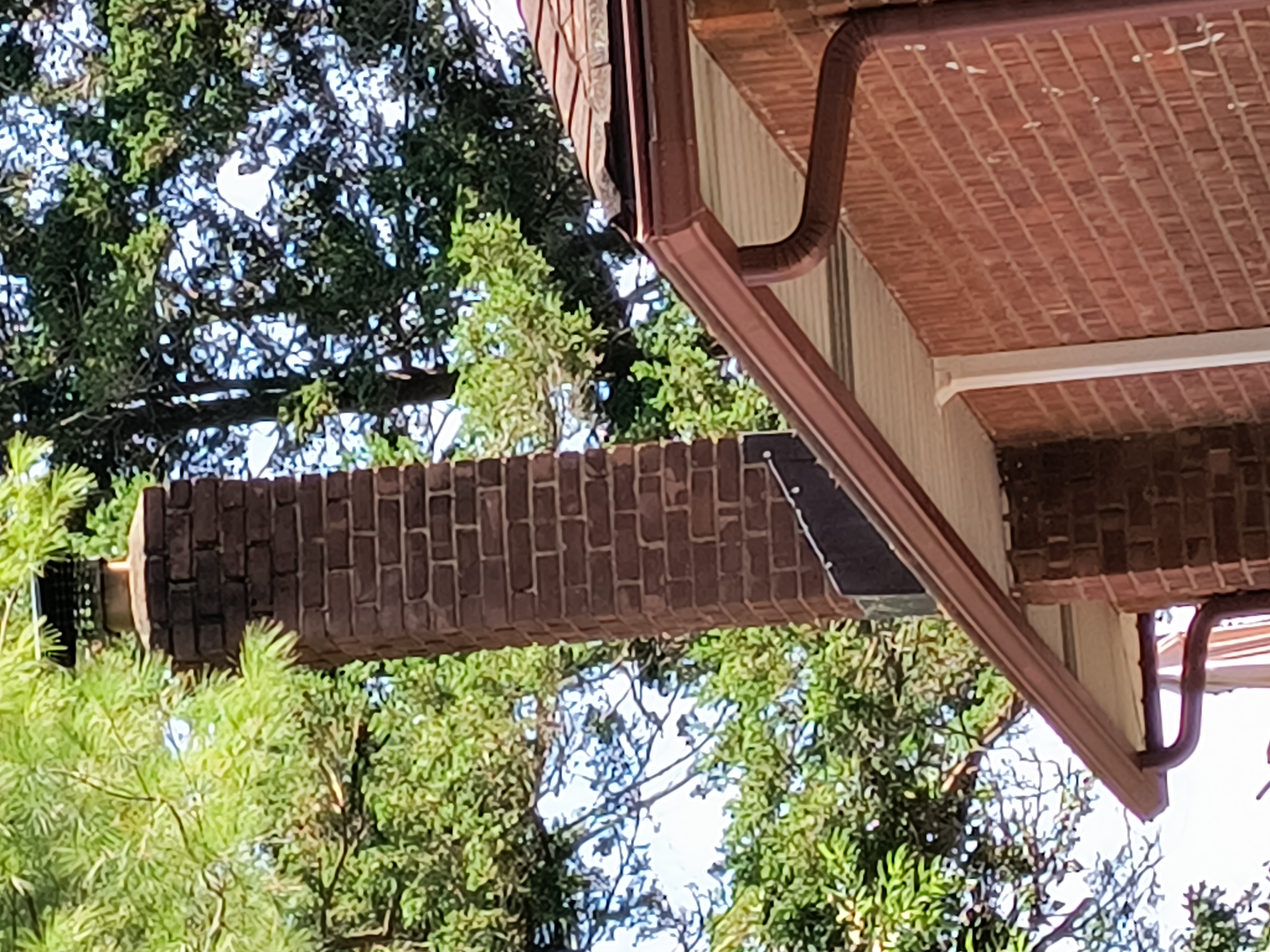
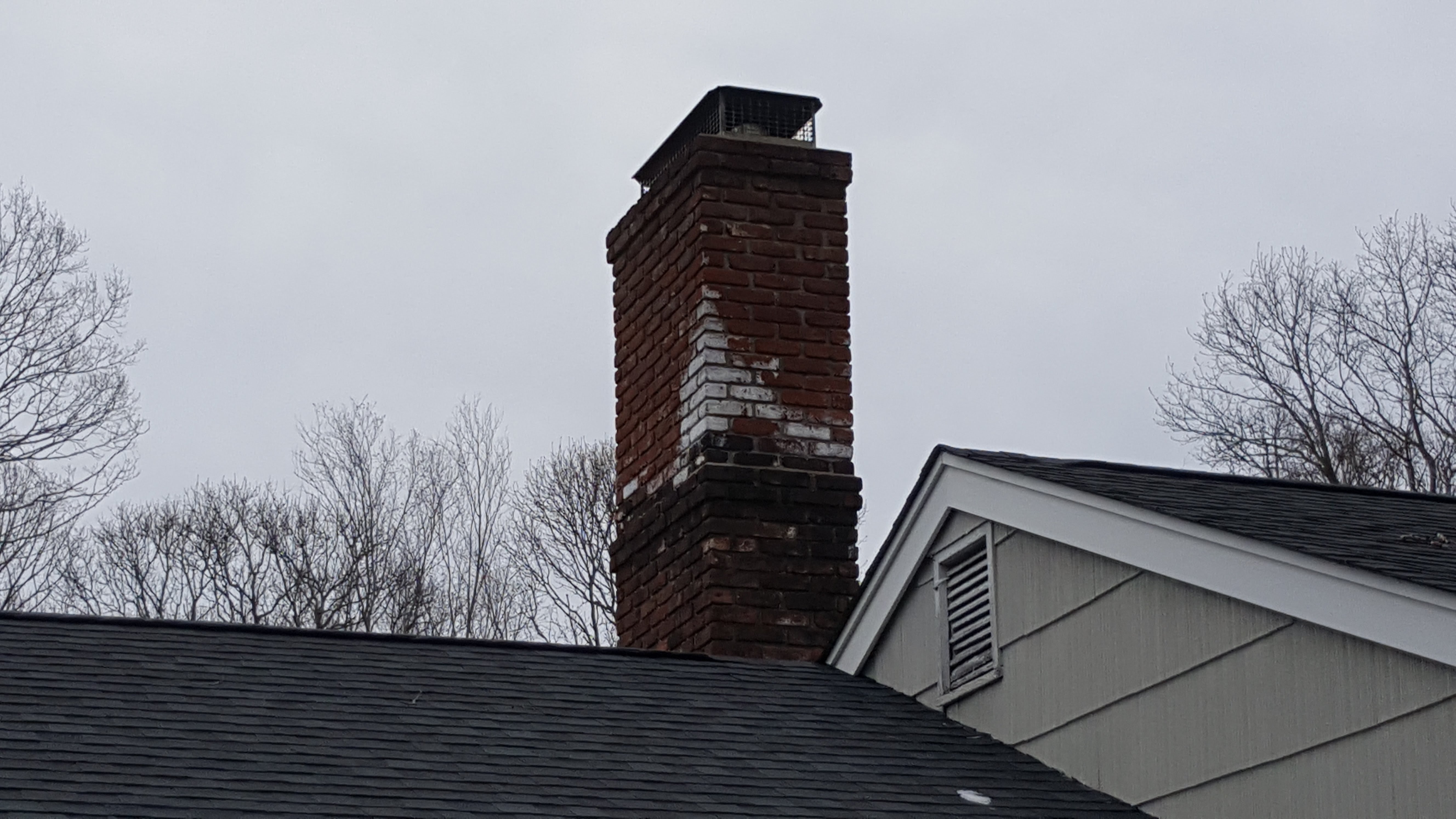
Beyond creosote removal, professional cleaning allows us to inspect your chimney for other potential problems. We look for cracked flue liners, deteriorated mortar joints, missing bricks, and blockages from bird nests or debris. Water damage is common in chimneys on Long Island, where winter weather brings freeze-thaw cycles and coastal weather patterns create moisture challenges. A clean chimney makes inspection more thorough and accurate. We can identify issues early, when they are less expensive to address. Southampton homeowners who stay ahead of chimney maintenance avoid costly repairs and unexpected system failures.
When you are ready to schedule your chimney cleaning, call DME Maintenance at 631-316-0622. DME Maintenance serves Southampton and the surrounding Suffolk County area with the same dedication Douglas Eberling brought to this business when he founded it in 2001. We are here to answer your questions about creosote, fire safety, or anything else related to your chimney. We will work around your schedule to find a convenient appointment time. Do not wait until December when everyone is booking services and availability becomes limited. Call today at 631-316-0622 and protect your home for the heating season ahead.