Your chimney cap is doing heavy lifting that most homeowners never think about. Sitting at the apex of your flue, it serves as a gatekeeper between your home and everything the elements throw at it. Rain, snow, sleet, and wind are constant threats on Long Island, especially in Southampton where homes sit close to coastal weather patterns. Without a properly functioning cap, water runs directly into your chimney structure. This moisture damages masonry, corrodes metal components, and can eventually leak into your home's interior. The damage spreads silently at first, then suddenly you notice staining on your ceiling or walls near the chimney. By then, repairs cost far more than a simple cap replacement would have.
Southampton homeowners often inherit chimneys from older homes, and many of those original caps have reached the end of their useful life. Caps installed decades ago weren't designed to withstand modern weather volatility. Metal corrodes from salt air carried inland from the Atlantic and Long Island Sound. Fasteners loosen from constant freeze-thaw cycles that are common on Long Island. Gaps develop where the cap meets the flue opening. Each gap is an invitation for problems. Water finds its way in. So do animals and debris. What starts as a minor gap becomes a major maintenance headache if left unaddressed.
Animals represent one of the most overlooked reasons to maintain a sturdy chimney cap. Birds build nests in uncapped chimneys. Squirrels, raccoons, and other wildlife enter through damaged or missing caps and nest inside the flue. Once they're in, they create blockages that prevent smoke from venting properly. They leave behind droppings, nesting materials, and food caches. Some homeowners don't realize they have an animal problem until they notice foul odors or hear scratching sounds inside the walls. Southampton residents living near the surrounding Suffolk County area experience wildlife pressure year-round, though it intensifies during spring and fall migration seasons.
Debris accumulation is another consequence of cap failure that homeowners underestimate. Leaves, twigs, and pine needles blow into uncapped or poorly capped chimneys. In homes on Long Island where oil heat is common, a blocked flue becomes dangerous quickly. Combustion gases can back up into living spaces. Creosote and soot buildup worsens with restricted airflow. Homes in Southampton with mature trees nearby face especially high debris accumulation. A single storm can deposit months' worth of leaves into your chimney system. That debris also holds moisture, creating an ideal environment for deterioration of the masonry inside.
Wind damage deserves special attention in Southampton, where coastal storms and nor'easters impact the area regularly. A poorly secured or damaged cap can be torn off by strong winds, sometimes without homeowners even noticing. Once it's gone, your chimney becomes completely exposed to the elements. Subsequent storms drive rain and snow directly into the flue. Winter freeze-thaw cycles crack the interior masonry. Spring thaw brings water seeping into the chimney structure and potentially into your home. Southampton homeowners should inspect their caps after significant weather events, especially after storms that bring sustained high winds.
At DME Maintenance, we've been serving Southampton and the surrounding Suffolk County, NY area since 2001. Our owner, Douglas Eberling, built this company on the principle that preventive maintenance saves homeowners money and headaches. We've replaced countless chimney caps on homes throughout Southampton, from historic properties to newer construction. We understand how Long Island's climate and coastal proximity affect chimney systems. We know which materials hold up best to salt air and wind. We recognize signs of damage that less experienced contractors might miss. When we inspect a cap, we're evaluating not just the cap itself but how it's installed and whether the flue opening has been compromised.
The timing of a cap replacement matters. While chimney maintenance is important year-round, Southampton residents should prioritize cap inspection after major storms. Wind, heavy rain, and falling branches can damage a cap that was functioning fine the day before. Late fall is also critical, when debris begins accumulating heavily. If you wait until winter, you're operating with a compromised system through the most demanding heating season. Spring thaw can reveal water damage that accumulated over winter months. Summer seems like the obvious time for maintenance work, and we certainly stay busy then, but the reality is that cap problems don't respect seasons on Long Island.
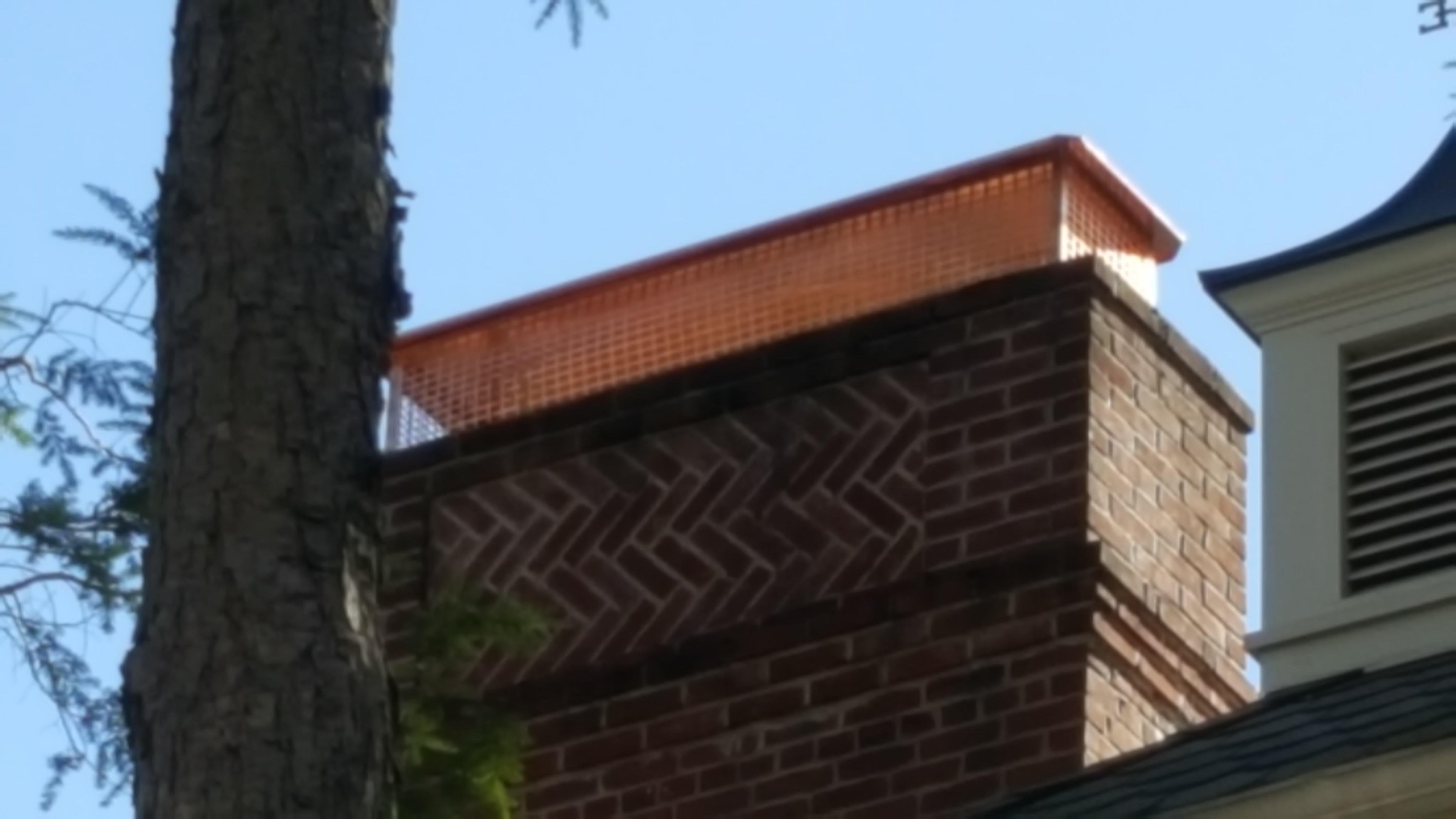
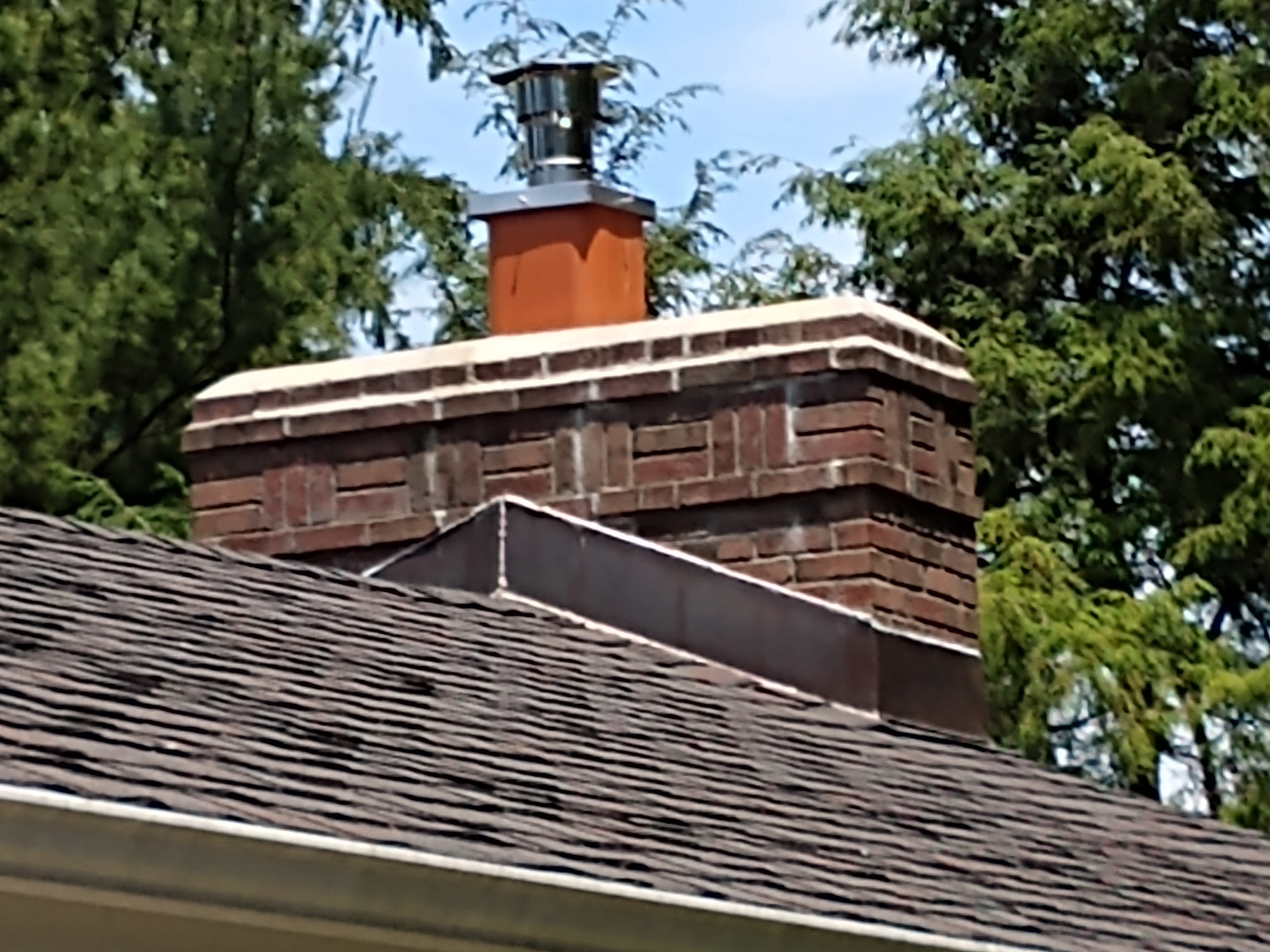
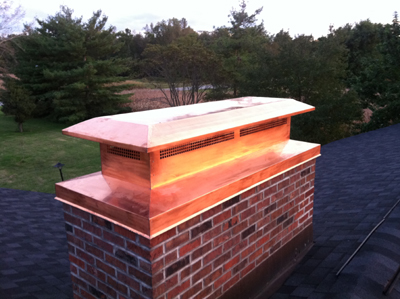
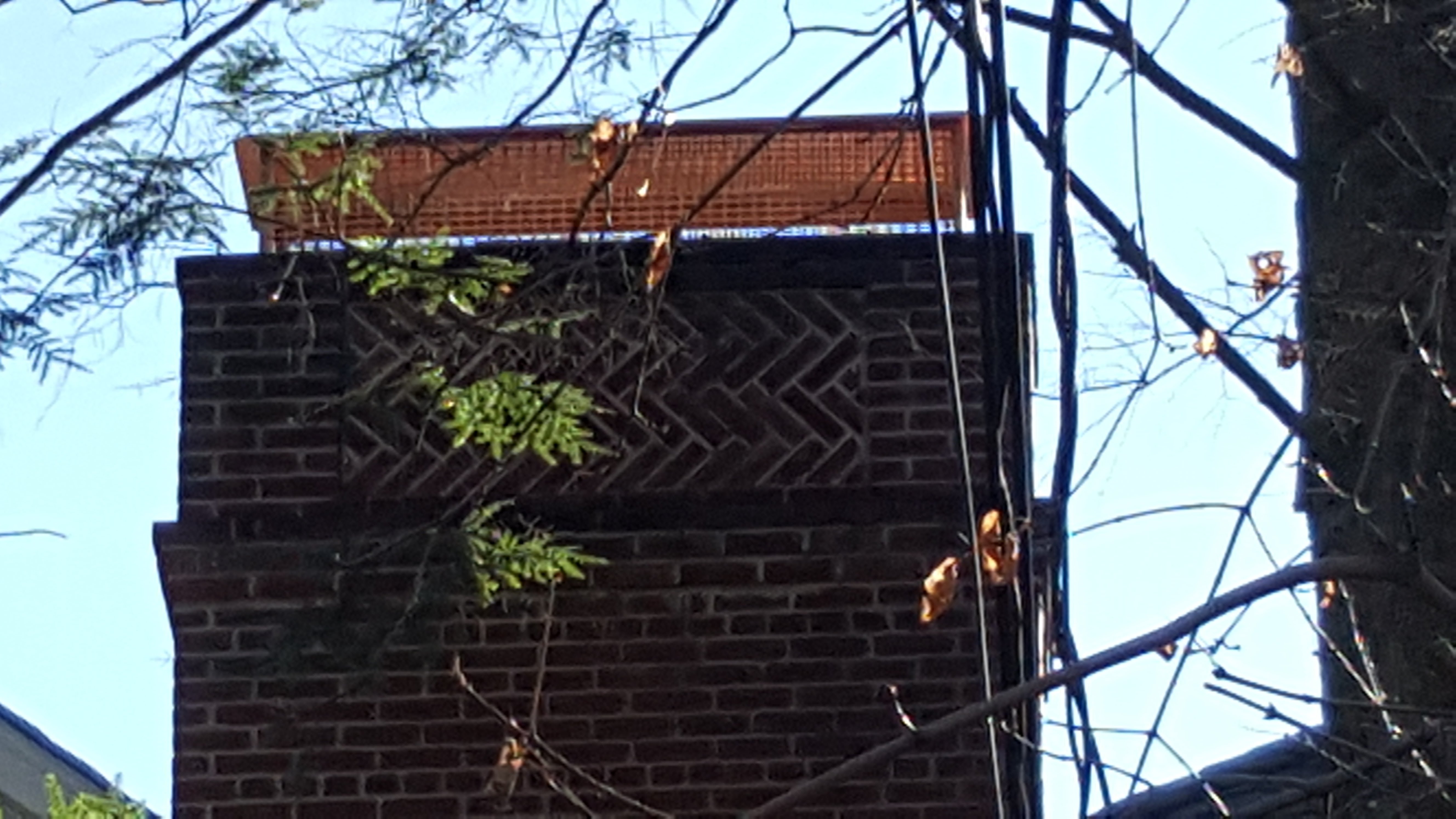
Different cap styles and materials perform differently in Southampton's environment. A quality stainless steel cap resists corrosion far better than galvanized steel, especially given our proximity to salt water. Copper and galvanized options each have merits depending on your chimney's exposure and your home's architecture. Some homeowners prefer certain aesthetics or materials based on their home's age and style. Southampton has an older housing stock in many areas, and original details matter to homeowners who care about their home's character. The cap replacement process involves matching the new cap to your flue dimensions, ensuring proper installation, and verifying that the fit is secure against wind and water infiltration.
Douglas covers all of Southampton and knows the neighborhood streets well. Long Island homes in Southampton vary considerably — from Cape Cods and split-levels built in the 1950s to more recent construction — and Douglas is experienced with every chimney configuration found in the area.
Regular inspection catches cap problems before they cascade into bigger issues. When you call DME Maintenance at 631-316-0622, we can schedule a professional inspection of your chimney system. DME Maintenance evaluates the cap's condition, the seal around the flue opening, and the interior masonry visible from above. We check for rust, deterioration, loose fasteners, and improper installation. We look at how wind, rain, and debris might exploit weaknesses. Southampton homeowners who've experienced water damage or noticed animal activity benefit especially from a thorough professional assessment. Many problems that seem expensive to fix actually start with something simple like a failed cap.
If your chimney cap needs replacement, act sooner rather than later. Water damage accelerates once a cap fails. Animals establish nests quickly. Masonry deterioration compounds with each weather cycle. The cost of replacing a cap is modest compared to repairing water damage inside your chimney or home. Southampton residents shouldn't delay based on expense or scheduling concerns. Small problems become large ones in the months between inspection and repair. Especially if you're planning to heat your home regularly this season, ensure your chimney system is properly protected. Call DME Maintenance today at 631-316-0622 to schedule your chimney cap inspection. We serve Southampton and surrounding areas throughout Suffolk County, NY, and we're ready to help protect your home.